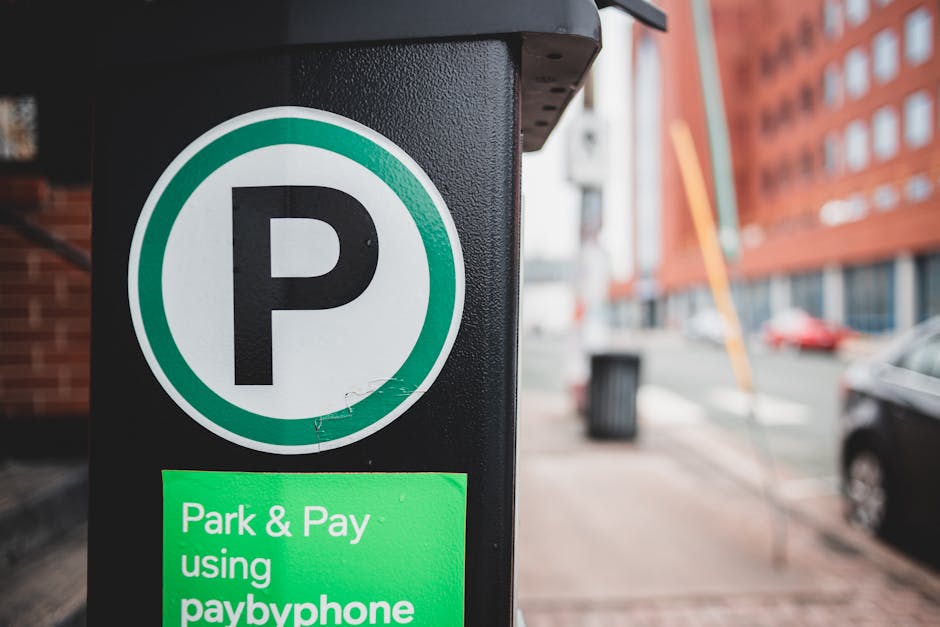
Barking & Dagenham Permits: Parking & Skip Rules
Posted on 22/06/2026

Barking & Dagenham Permits: Parking & Skip Rules
If you are planning a move, a delivery, or a clear-out in Barking and Dagenham, the awkward bit is rarely the lifting. It is the permissions. Barking & Dagenham Permits: Parking & Skip Rules can shape everything from where your van can stop to whether a skip can sit outside your property without causing headaches. Get this wrong and a simple day can turn into fines, delays, or a very stressed neighbour looking out of the window.
This guide breaks down the moving parts in plain English: when parking permission matters, how skip rules usually work, what to check before the day arrives, and how to avoid the common traps. If you are organising a home move, an office clearance, or a bulky waste job, the goal is simple - keep the route clear, keep the paperwork tidy, and keep the whole thing moving.
Why Barking & Dagenham Permits: Parking & Skip Rules Matters
Parking on a busy residential street is rarely as simple as pulling up and unloading. In many parts of Barking and Dagenham, space is tight, yellow lines are common, and timed restrictions can catch you out when you are in a rush. Add a skip into the mix and there is another layer: where it can be placed, how long it can stay, whether a permit is needed, and what happens if access is blocked.
That matters because moving day decisions are made fast. Someone is carrying a sofa downstairs, a van is waiting with the hazard lights on, and everybody assumes, rather optimistically, that "it'll be fine for ten minutes." Sometimes it is. Sometimes it really isn't. A parking ticket or an awkward skip placement can cost more than the thing you were trying to save time on.
There is also the neighbour factor. A skip that sits too close to a junction, obstructs footway access, or blocks a dropped kerb can create friction very quickly. A van parked over someone's driveway is another classic mistake. To be fair, most people are not trying to be difficult; they are just focused on the move and forget that local rules still apply.
If you are organising a move with bulky items, it helps to plan ahead. Our practical advice often starts with the boring bits first: secure the parking, confirm whether a skip is needed, then sort the loading plan. It sounds backwards, but it saves the most stress. For more help with planning the physical side of a move, see packing like a pro and decluttering before moving.
How Barking & Dagenham Permits: Parking & Skip Rules Works
The easiest way to think about it is this: parking rules manage where a vehicle can stop, while skip rules manage where a skip can legally sit. The two often overlap during removals because you may need a van parked close to the property and a skip nearby for waste, packaging, or clearance items. If either one is in the wrong place, the whole schedule can wobble.
Parking permissions may be relevant when you need to stop in a bay, suspend a bay, use a restricted street, or avoid enforcement during loading. The details vary depending on the street and the type of restriction. In practice, the main question is not "can I park here at all?" but "can I stop here long enough to load or unload without causing a problem?" That tiny distinction matters more than people expect.
Skip rules are usually about placement, safety, and access. A skip on private land is often simpler than one on the public highway, but you still need to think about whether it blocks sightlines, pavements, gates, or shared access. If you live in a flat, an estate, or a terraced street, the space that looks usable from the road may be much less useful once the truck, pedestrians, and wheelie bins are all in the picture. London streets have a way of making this obvious, usually at the worst moment.
In many removal jobs, the smartest sequence is: check restrictions first, choose the loading point second, then decide whether a skip is even needed. Sometimes a van, a few strong boxes, and a same-day disposal plan are better than a skip. If you are dealing with heavier items or awkward furniture, this is where the right support can help. Our man with a van service in Barking and removal services are often used for exactly that kind of tightly scheduled move.
Key Benefits and Practical Advantages
Sorting permits properly is not just about avoiding penalties. It changes the whole feel of the day. A move with a clear parking plan feels calmer because everyone knows where the van is going to stop, who is loading, and where waste will go. Less guessing. Less back-and-forth. Fewer moments where someone says, "Hold on, I thought we were parking round the corner?"
- Less delay: The van can get close to the property, which usually means faster loading and fewer heavy carries.
- Lower risk of fines: Proper parking checks reduce the chance of enforcement action or complaints.
- Better protection for neighbours and access: A well-placed skip or vehicle keeps pavements, driveways, and shared entrances clear.
- Smoother waste removal: Clear guidance on skip placement helps with bulky rubbish, renovation waste, and packing materials.
- Less physical strain: Shorter carries make a real difference on stair-heavy moves and flat clearances.
There is a smaller but real benefit too: confidence. When the legal and practical side is sorted, you stop second-guessing every minute. That matters on moving day, especially if you are juggling keys, children, pets, or a building manager with a clipboard. In our experience, that quiet confidence is often what keeps people sane.
For bigger or more delicate items, planning access in advance is especially useful. If you are moving a piano, for example, a proper loading zone and clear entrance route matter a lot more than people first assume. You can read more on that in why professional expertise is vital in piano moving.
Who This Is For and When It Makes Sense
These rules matter for more people than you might think. Homeowners, renters, landlords, students, office managers, tradespeople, and anyone arranging a clear-out in the borough all bump into parking and skip issues eventually. The exact pain point changes, but the underlying problem is the same: access is limited and the street is shared.
You will likely need to think about permits if you are:
- moving from a flat with no direct parking outside
- clearing a house with large furniture or lots of boxes
- using a skip for refurbishment or estate clearance waste
- loading a van on a street with marked bays or controlled parking
- managing a same-day move where timing is tight
- dealing with bulky items that cannot be left for ordinary collection
This also makes sense if you are planning a move around Barking town centre, London Road, Abbey areas, or estate roads where access patterns change from street to street. A quick look at local conditions can save hours later. If your move involves a flat or top-floor apartment, the combination of stairs, parking, and restricted loading space can become the real challenge, not the packing itself. See also moving tips for Barking Riverside flats and the Gascoigne Estate packing guide for more local context.
Truth be told, even a simple two-room move can become messy if the van has nowhere legal to stop. That is why permit planning is as much a move-day skill as lifting or packing.
Step-by-Step Guidance
Here is a straightforward way to plan around Barking and Dagenham parking and skip rules without overcomplicating it.
- Check the street first. Look at whether there are yellow lines, resident bays, loading restrictions, access-only zones, or time-limited controls. Don't assume the space outside your door is automatically available.
- Decide what needs to stop where. Separate the van plan from the skip plan. A van may only need short access, while a skip may need a longer placement period.
- Think about the route. Ask yourself: can the furniture be carried safely from the property to the vehicle without blocking people or traffic?
- Confirm whether a skip is really needed. Sometimes a man-and-van clearance, storage run, or staged disposal works better. A skip is not always the neatest option.
- Book with enough lead time. Last-minute arrangements are where mistakes happen. A permit application, a bay suspension, or a skip placement decision should not be left until the evening before.
- Prepare the property. Move loose items, protect floors, and keep access paths wide. If you are still boxing things up, our packing and boxes guidance can help make the route clearer.
- Set the loading order. Put heavier, awkward pieces in the van first if they are going deep inside, and keep lighter items accessible. It sounds obvious. People still get this wrong all the time.
- Leave space for waste handling. If a skip is involved, ensure the area around it stays safe for foot traffic and loading.
- Do a final walk-through. Check that no vehicle is blocking a neighbour, a dropped kerb, or a fire access route.
A simple trick we use is to stand at the front door for thirty seconds and imagine the move in one continuous line: property, pavement, vehicle, exit. If that line is broken, the plan needs adjusting. That tiny pause can prevent a very long afternoon.
Expert Tips for Better Results
Small choices make a big difference here. The most common success factor is not luck; it is just planning the awkward bits before the heavy bits start. Here are a few practical tips that tend to work well on real jobs.
- Plan around school runs and peak traffic. Even a legal loading zone can become difficult if the road is saturated at the wrong time.
- Use smaller loads if space is tight. Two shorter trips can be easier than forcing one big vehicle into a cramped street.
- Protect the pavement and communal areas. If you are carrying sharp furniture edges or wheelie bins past shared entrances, keep mats and corner protection ready.
- Label waste separately from keep-items. If you are using a skip, nobody wants to discover a bag of important documents buried under old shelves.
- Speak to neighbours early. A polite heads-up can stop complaints, especially where access is shared.
- Use lifting help sensibly. If there are stairs, narrow halls, or oversized items, don't be heroic. It rarely ends well. Our guides on kinetic lifting fundamentals and lifting heavy items by yourself are useful background reading.
Another practical point: if your move is part of a larger declutter, avoid filling the skip with things that could have been sold, donated, or stored. Storage can be a better half-step than panic-disposal, especially when you are not quite ready to decide. See storage options in Barking if that sounds familiar.
And yes, sometimes the best tip is the dullest one: write everything down. Times, street names, permit checks, skip dates, contact names. Paper or phone notes, either works. Just do not trust your memory on moving day. Moving day memory is famously unreliable.

Common Mistakes to Avoid
The same errors show up again and again. They are easy to make because they feel small in the moment, but they can be expensive or time-consuming once the day gets going.
- Assuming a van can stop anywhere for a few minutes. In restricted streets, "just five minutes" can still be enough for enforcement.
- Forgetting loading clearance. A parking space that looks close may still be useless if the carry route is blocked.
- Placing a skip too close to access points. That can cause complaints, safety issues, or a refusal to deliver.
- Leaving permit checks until the last minute. This is how good plans become rushed plans.
- Overfilling the skip. Waste should stay within the expected safe loading level. If it looks precarious, it probably is.
- Ignoring building rules. Flats and estates may have their own access requirements on top of borough rules.
- Not considering bulky waste separately. Some items need special handling and should not simply be dumped into a general load. See moving bulky waste in Barking for a deeper look at the practical side.
A quieter mistake is underestimating how long the loading takes. People plan the parking but forget the stairs, the rain, the awkward fridge door, the bit where the mattress does not turn the corner. It happens. That is why a margin of time is so useful.
Tools, Resources and Recommendations
You do not need a huge toolkit, but a few practical things make permit-driven moves much easier. The goal is to reduce friction, not to turn the job into a military operation.
- Measuring tape: useful for checking whether a skip or vehicle will actually fit in the intended space.
- Phone camera: take pictures of signs, access points, and the final parked position if needed for your own records.
- Floor protection: especially useful in flats and shared hallways.
- High-visibility clothing or a bright vest: handy for clear communication when loading close to traffic.
- Labels and marker pens: separate keep, move, store, and dispose piles cleanly.
- Heavy-duty gloves and straps: useful if you are dealing with awkward furniture or removal waste.
In terms of service choices, a lot depends on the scale of the job. A small flat move may work well with a van and careful loading. A larger family move or office clearance may need more structured removal support. If you are comparing options, take a look at removal companies in Barking, removal van support, and the broader services overview to see what fits the scale of the job.
For some readers, the best recommendation is simply this: pick the least complicated route that still keeps you compliant. Not every move needs to be turned into a grand project. A tidy plan beats a clever plan most days.
Law, Compliance, Standards and Best Practice
It is worth saying this carefully: parking and skip arrangements can be subject to local authority controls, building management rules, and standard highway safety expectations. The exact permissions and conditions can vary by street, property type, and the nature of the job, so it is sensible to verify the details before relying on assumptions.
As a practical matter, compliance usually means a few things:
- do not obstruct traffic or pedestrians
- keep vehicle stopping within the relevant rules for that street
- place skips where they do not create a safety hazard or block access
- respect estate, landlord, or building access conditions
- manage waste responsibly and separate restricted items where needed
Best practice is often more important than the bare minimum. For example, even if a vehicle could technically stop in a place for loading, it may still be better to use a quieter side street or schedule the load at a less congested time. Similarly, a skip that is "allowed" in one position may still be a poor idea if it narrows the pavement for pushchairs, wheelchairs, or delivery traffic.
Our own approach always leans toward safety and clear access. That is reflected across the wider site, including insurance and safety, health and safety policy, and recycling and sustainability. These pages are useful if you want a sense of the standards behind the service rather than just the moving day action.
If your situation involves commercial premises or a larger clearance, it can also be worth checking whether the building has its own booking procedures or access windows. That extra step feels tedious, but it is exactly the kind of thing that prevents the 8:15 a.m. scramble. And nobody enjoys that scramble.
Options, Methods, or Comparison Table
There are usually a few ways to handle access and waste during a move. The right one depends on space, timing, and how much you are moving. Here is a simple comparison to help you weigh up the options.
| Method | Best for | Pros | Trade-offs |
|---|---|---|---|
| Short-stay van loading | Small to medium moves, direct access streets | Fast, flexible, low disruption | Requires legal stopping space and good timing |
| Permit-backed parking arrangement | Restricted roads, controlled bays, longer loading windows | More secure access and less enforcement risk | Needs planning and may involve lead time |
| Skip on private land | Refurbishment waste, longer clear-outs | Convenient and keeps waste in one place | Needs space and may not suit every property |
| Skip on the highway | Properties with no private access | Useful when land access is limited | More sensitive to placement, safety, and permission requirements |
| Van plus staged disposal | Mixed moves, cluttered homes, flexible schedules | Less waste, more control, sometimes cheaper overall | Needs sorting and a bit more organisation |
For many households, the staged disposal method is underrated. You move what matters, store what you are undecided about, and only dispose of the real waste. It is not flashy, but it works. If you want to explore that angle, the man and van Barking option can be a practical middle ground.
Case Study or Real-World Example
Here is a realistic example based on the kinds of moves we see all the time. A family in a Barking flat needed to move furniture, boxes, and a few bulky items while also clearing out old packaging and damaged storage units. The street was narrow, the loading window was short, and there was no private driveway. On top of that, a skip looked tempting because there was a lot to throw away. Tempting, but not necessarily the best first step.
Instead of rushing, they split the job into three parts. First, they checked the access restrictions and chose a loading approach that suited the street. Second, they identified what truly needed disposal and what could be stored for later. Third, they planned the van timings around the most available part of the day. That meant no blocked pavement, no uncertain parking, and no frantic shuttling from upstairs to the curb.
The result was not glamorous. It was just calm. Boxes went out in a sensible order, the heavy furniture was handled without repeated lifting, and the waste was managed without turning the front of the building into a mess. Honestly, that is what a good move looks like most of the time. Not dramatic. Just tidy.
If the job had included a piano, they would have needed a more specialised approach. The same is true for unusually heavy or awkward pieces across the house, which is why planning access and handling together matters so much. One without the other is only half a plan.
Practical Checklist
Use this checklist before moving day or skip delivery day. It is a simple way to catch the things people usually forget.
- Confirm whether the street has parking restrictions or loading limits
- Decide whether the van can stop legally close enough to load safely
- Check if a skip is needed, and if so, where it can sit
- Make sure the skip will not block access, bins, or pavements
- Review estate or building rules for access and booking windows
- Measure tight spaces, gates, and stair turns if furniture is involved
- Sort items into keep, move, store, and dispose piles
- Protect floors and hallways before carrying anything through
- Tell neighbours if access may be temporarily disrupted
- Keep documents, keys, and any permit details in one easy-to-find place
- Allow extra time for loading, especially in bad weather or busy roads
- Have a backup plan if parking is unexpectedly unavailable
If you are using storage as part of the process, it can take a surprising amount of pressure off. A few weeks in storage is often better than filling the skip with things you may want later. A sensible pause is not a failure. It is just good judgement.
Conclusion
Barking and Dagenham parking and skip arrangements are not just admin. They are part of the move itself. When the access plan is clear, the whole day becomes easier: fewer delays, fewer fines, fewer awkward conversations, and a much better chance that the lifting and loading happen without drama.
Think of it this way: the best move days are the ones that feel almost boring once they start. The van arrives where it should, the skip sits where it should, and everyone knows the next step. That calm comes from doing the small checks early, not from hoping the street will cooperate. Streets rarely improvise on your behalf.
If you are planning a move, clearance, or bulky-item job in the borough, make parking and skip rules part of the first conversation, not the last. It is a simple habit, but it saves a lot of wear and tear. And on a wet London morning, that matters more than people admit.
Get a free quote today and see how much you can save.
When the practical details are handled with care, you can focus on the part that actually matters: getting settled, breathing out, and starting fresh.