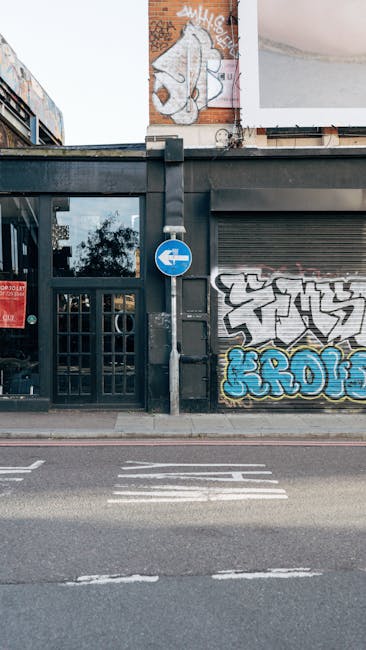
Navigating London Road & Barking Abbey Moves
Posted on 06/05/2026
Navigating London Road & Barking Abbey Moves: A Practical Local Guide for a Smoother Relocation
Moving around London Road and the Barking Abbey area can be straightforward if you plan for the local realities: busy streets, tight parking, flats with awkward access, and the usual juggling act of boxes, timing, and people's nerves. Navigating London Road & Barking Abbey Moves is really about making those moving-day details work in your favour rather than against you. If you are relocating a flat, a family home, or a student place nearby, the right approach can save time, reduce stress, and protect your belongings from the little mishaps that creep in when everything feels rushed.
Truth be told, most moving problems are not dramatic. They are small things stacked together: a sofa that does not clear the stairwell, a van arriving at the wrong time, a bed frame missing a crucial bolt, or a box labelled "kitchen" that actually contains all the kettle leads and chargers you need that evening. In this guide, we will walk through the local moving process clearly and practically, with a focus on what works in real life around Barking Abbey and London Road.
Whether you are comparing services, planning ahead, or just trying to avoid a chaotic moving day, this article will help you understand the process, choose sensible options, and prepare with confidence. Let's make it less stressful. A lot less.

Why Navigating London Road & Barking Abbey Moves Matters
London Road and the Barking Abbey area sit in a part of east London where everyday traffic, residential density, and mixed property types all affect how a move unfolds. One street might give you easy curb access; the next might leave you manoeuvring around parked cars, delivery vans, and a stairwell that seems designed by someone with a grudge. That is why local knowledge matters more than people first realise.
When a move is planned with the local setting in mind, it becomes much easier to control the day. You can schedule loading at a quieter time, choose the right van size, think ahead about parking, and decide whether items need disassembly before the movers even arrive. That sounds obvious, but a lot of trouble comes from assuming a move is just boxes in, boxes out.
For residents, students, landlords, and small businesses, the stakes vary. A family home may involve furniture, appliances, and a long checklist of fragile items. A student move may be faster but more time-sensitive, especially when tenancy dates are fixed. An office move nearby may require a cleaner handover and better coordination. Each scenario needs slightly different handling, which is why a one-size-fits-all approach rarely works well.
Practical takeaway: local moving success is rarely about brute force. It is about access, timing, packing discipline, and having the right help in the right places.
If you are still getting your packing sorted, it helps to read packing like a pro for a house move before you start sealing boxes. It saves a lot of backtracking later, and lets face it, nobody wants to reopen ten boxes looking for cutlery.
How Navigating London Road & Barking Abbey Moves Works
At a practical level, moving in this area usually follows the same broad pattern as any local relocation, but the details need to be better thought through. First, you assess what is moving, where it is going, and what access looks like at both addresses. Then you decide whether you need a man and van in Barking, a larger removal vehicle, storage, specialist lifting, or a combination of services.
The best moves begin with an honest inventory. Not just "a bedroom and a sofa", but the actual shape of the job: bulky wardrobes, mattresses, appliances, mirrors, boxes, plants, tools, and anything awkwardly heavy. A narrow hallway or upper-floor flat can change the whole plan. One extra fridge, one extra flight of stairs, and suddenly your timeline is different.
From there, the move is usually broken into stages:
- Survey the property access and the amount of furniture.
- Choose packing materials and label everything clearly.
- Disassemble items that will not safely pass through doors or stairs.
- Protect floors, corners, and fragile surfaces.
- Load the vehicle in a sensible order so essentials stay accessible.
- Unload at the destination and reassemble what has been taken apart.
It sounds simple in list form. In real life, timing and coordination are everything. A late start on London Road can knock the whole day sideways if you have no margin for parking or lift delays. That is why experienced movers often build in a little buffer. Not too much, not wasteful, just enough to absorb the usual small surprises.
If you are moving larger household items, the right support makes a difference. For example, furniture removals in Barking can be a better fit than treating everything as a standard box job. And if your move includes a piano, that is firmly in specialist territory; see piano removals in Barking for the level of care such items demand.
Key Benefits and Practical Advantages
Getting the move right brings more than convenience. It can protect your belongings, reduce the chance of injury, and keep the day from spiralling into that messy, half-funny, half-exhausting state where nobody can find the kettle. The benefits are practical, not abstract.
- Fewer delays: local planning helps avoid wasted waiting time and repeated trips.
- Better protection: items are less likely to be scratched, dented, or dropped.
- Less strain: safe lifting and the right tools reduce the risk of injury.
- Cleaner handover: you can coordinate pre-move cleaning and finishing tasks properly.
- Lower stress: you are not improvising every ten minutes.
There is also a less obvious benefit: better decision-making. Once the move is organised properly, you can think more clearly about what should go with you now, what should go into storage in Barking, and what can be sold, donated, or recycled. That clarity is valuable. It stops the move from becoming a clutter transfer exercise.
For people with busy work schedules or family commitments, a well-managed move can be the difference between one exhausting weekend and a smooth transition. If you want to reduce the mental load, the article on keeping moving stress under control is a good companion read.
Who This Is For and When It Makes Sense
This kind of local moving guidance is useful for a broad range of people, but it is especially relevant if your property, schedule, or belongings introduce a bit of complexity. Not every move needs a full removal team, but many people benefit from more structure than they expect.
You are likely to find this especially helpful if you are:
- moving between flats or apartments with stair-only access;
- relocating a family home with larger furniture and appliances;
- moving in or out of a student property on a tight date;
- handling an office or small business relocation;
- storing items temporarily while waiting for keys, works, or a chain to complete;
- moving delicate, heavy, or awkward belongings that need special handling.
Sometimes the need is obvious. You look at a piano, a double fridge, or a three-seat sofa and think, yes, I probably need help here. Other times the move seems small on paper but turns out to be fiddly because of access or timing. That is the bit people underestimate.
For students, speed and budget often matter most. A quick, well-packed move with a suitable vehicle can be ideal. For households, the priority may be protecting furniture and maintaining some order during unpacking. For office moves, it is usually about minimising downtime. Each group needs something slightly different, and that is perfectly normal.
If you are comparing providers, start with a broad view of the available removal services in Barking and then narrow down by property type and urgency. You do not need the fanciest option. You need the right one.
Step-by-Step Guidance
Here is a sensible way to approach a move around London Road and Barking Abbey without making the whole thing harder than it needs to be.
1. Start with the property layout
Walk through both addresses and note access points, stairs, lift availability, parking, and door widths. A lot of frustration disappears at this stage because you can spot the issues before anyone is carrying a sofa sideways through a hallway. Measure tall or wide items if you are unsure.
2. Declutter before packing
Do not pack what you do not want. It sounds obvious, but it is easy to put off. The more you remove before moving day, the lighter and cheaper the job tends to feel. A useful guide to start with is efficient decluttering before moving. It is one of those tasks that pays you back immediately.
3. Choose the right packing materials
Use strong boxes, tape, paper, wraps, and protective covers for furniture. The wrong box for the wrong object creates avoidable damage. Books should not go in huge boxes if you value your back. Glassware needs paper and spacing. Mattresses need covers. Simple, but easy to skip when you are in a rush.
For a fuller guide, see packing and boxes in Barking. It helps with the practical side that people often leave until the night before.
4. Prepare heavy items early
Disassemble beds, remove shelves, secure drawers, and unplug appliances well before the van arrives. If you are moving a bed set, this guide on relocating a bed and mattress safely is worth a look. Bed frames are rarely difficult on their own, but they become awkward quickly when left assembled.
5. Use safe lifting habits
Lift with your legs, keep loads close, and do not twist under weight. It is not glamorous, but it works. For a plain-English refresher, read the fundamentals of safe lifting and, for trickier jobs, practical strategies for lifting heavy items.
6. Load in the right order
Heavier, sturdier items usually go in first, then boxed goods, then fragile or frequently needed items in a position that makes unloading easier. That way you are not hunting for a toothbrush under a stack of winter coats at 10 p.m. after a long day. Nobody needs that kind of drama.
7. Finish with cleaning and checks
Before you hand over the keys, check cupboards, windows, outdoor spaces, and any fixtures you are meant to leave behind. A pre-moveout clean matters more than people think. If you want a structured version, see a step-by-step pre-moveout cleaning plan.
Expert Tips for Better Results
A few small habits make a big difference on moving day. These are the details that experienced movers tend to rely on because they work, even on an ordinary rainy morning when everything feels slightly more complicated.
- Label by room and priority: write both the destination room and whether the box is "open first" or "can wait".
- Photograph cable setups: back of TVs, routers, or desks before unplugging anything. Saves time later.
- Keep a separate essentials bag: documents, medication, chargers, snacks, toiletries, and a kettle cable if you are the kind of person who panics without tea.
- Protect corners and door frames: even light contact can scuff paint on tight stairwells.
- Reserve space for storage if needed: not every item should go straight into the new home.
One useful habit is to ask, "Will I need this in the first 24 hours?" If yes, keep it easy to reach. That question alone prevents a surprising amount of chaos. Another good one: "Can this item survive being stacked?" If not, it probably needs a different loading plan.
For awkward or bulky pieces of furniture, the advice in sofa storage success can be surprisingly useful even if you are not storing the sofa long-term. It explains how to think about dimensions, protection, and handling in a more practical way.

Common Mistakes to Avoid
Most moving mistakes are avoidable. That is the frustrating part, really. They happen because people are busy, tired, or trying to save time in the wrong place.
- Leaving packing too late: last-minute packing leads to poor labelling and missing items.
- Underestimating access: a simple street-level move is very different from a top-floor flat with no lift.
- Using the wrong vehicle size: too small means extra trips; too large can create parking headaches.
- Ignoring specialist items: pianos, delicate electronics, and heavy furniture need different handling.
- Forgetting insurance and safety checks: not everything should be moved informally without thinking about risk.
- Not planning for storage: delays in completion or handover can leave you stuck if there is no backup plan.
Another common issue is poor communication. If you know there is limited parking, a steep staircase, or a particularly bulky wardrobe, say so early. It helps the team plan properly. No one enjoys discovering the awkward bit while standing in the doorway holding a mattress at an unfortunate angle.
For items that need secure temporary holding, local storage options can make the difference between a smooth move and a rushed one. That matters if the chain is delayed or if your new place is not quite ready.
Tools, Resources and Recommendations
The right tools are not fancy, but they are useful. A good move usually relies on practical kit rather than heroic effort.
| Tool or Resource | Best For | Why It Helps |
|---|---|---|
| Strong moving boxes | General household items | Reduces breakage and makes stacking safer |
| Furniture blankets and wraps | Sofas, tables, wardrobes | Protects corners, finishes, and upholstery |
| Labels and marker pens | Room sorting and priority packing | Makes unloading and unpacking much easier |
| Straps and trolleys | Heavy or awkward items | Improves control and reduces lifting strain |
| Storage solution | Delays, staging, surplus items | Prevents clutter from crowding the new home |
On the planning side, a clear quote matters. If you are comparing providers, read the guidance on pricing and quotes so you know what should be included and what questions to ask. And if you want to understand the broader range of support available, the services overview gives a useful starting point.
For people moving out of flats or smaller properties, flat removals in Barking may be the most relevant service page. Students, in particular, may benefit from student removals in Barking when the move needs to be quick, cost-conscious, and not overly complicated.
Law, Compliance, Standards, or Best Practice
For most local moves, the main compliance concerns are not glamorous, but they are important. You want to know that the company you choose takes safety, insurance, and data handling seriously. The practical side is simple: you should expect clear communication, transparent terms, and a sensible approach to risk.
In the UK, moving companies are generally expected to operate with appropriate insurance and safe handling practices for goods in transit and public interaction. The exact cover and process can vary, so it is wise to ask what is included before the move. A trustworthy provider should be able to explain how goods are protected, how claims are handled, and what happens if access problems arise. That is not being difficult. That is just sensible.
For more background, the pages on insurance and safety and health and safety policy are useful reading. They help set expectations around careful lifting, secure transport, and the kind of standards you should look for from a reputable operator.
There are also trust-related pages worth checking if you like to know how a company works behind the scenes. The about us page gives a sense of the business, while terms and conditions, privacy policy, and payment and security pages help clarify the process. It is the boring bit, but boring can be reassuring.
If sustainability matters to you, it is also worth noting how unwanted goods are handled. A responsible move often includes reuse, recycling, and thoughtful disposal. See recycling and sustainability for a more considered approach to the items that do not make the cut.
Options, Methods, or Comparison Table
Different moves call for different methods. Sometimes you only need a simple van service. Sometimes you need a fuller removal package. Here is a straightforward comparison to help you decide.
| Option | Best For | Strengths | Watch Outs |
|---|---|---|---|
| Man and van | Small moves, students, a few large items | Flexible, practical, often cost-conscious | May be less suitable for bigger family moves |
| Full removal service | House moves, flats with stairs, larger inventories | More support with loading, transport, and handling | Needs clearer planning and scheduling |
| Self-move with hired vehicle | Very small, straightforward relocations | Direct control over timing | More physical effort and higher risk if packing is poor |
| Storage plus move | Delayed completion, downsizing, temporary staging | Buys time and reduces pressure | Needs planning to avoid double handling |
For a lot of local jobs, the sweet spot is a balanced approach: enough help to keep the day manageable, but not so much that you are paying for things you do not need. If your move is straightforward, a removal van in Barking may be all you need. If you want broader support, removal companies in Barking can help you compare structured options.
Case Study or Real-World Example
Picture a typical move near Barking Abbey: a two-bedroom flat, one sofa that barely fits the stair turn, a mattress, a dining table, and a box pile that seemed manageable on Saturday morning and not quite so charming by Sunday afternoon. The building has limited parking, and the lift is small enough to make anyone reconsider their life choices for a moment.
The move works better when the couple planning it starts early. They declutter first, booking a short session to clear out old kitchenware and duplicate bits they no longer need. They label boxes by room, separate essentials, and wrap the sofa properly. They also tell the mover about the parking limit and the tight staircase in advance, which matters more than it sounds.
On the day, loading goes more smoothly because the heaviest items are ready, the route is clear, and nobody is trying to disassemble a bed with a multitool and a vague memory. The final step is a quick clean and a last walk-through. No missing chargers, no abandoned items under the sink, no awkward scramble for keys. Just done.
What stands out in situations like this is not magic planning. It is small, sensible preparation. That is the real lesson. If the move includes fragile or specialist belongings, then the same principle applies with even more care. A piano, for instance, is not something to improvise with at the end of a long day.
Practical Checklist
Use this checklist to keep your move organised and calm. Tick it off in stages, not all at once. That way it feels manageable rather than daunting.
- Confirm moving date, time, and access details for both addresses.
- Measure large furniture and note any narrow doors, stairs, or low ceilings.
- Decide what to keep, sell, donate, recycle, or store.
- Gather boxes, tape, labels, protective wraps, and furniture covers.
- Pack non-essentials first and label each box clearly.
- Prepare an essentials bag with documents, chargers, snacks, and toiletries.
- Disassemble beds and bulky furniture in advance where possible.
- Arrange parking or loading access if needed.
- Protect floors, corners, and delicate surfaces at both properties.
- Keep valuables, medication, and personal documents separate and with you.
- Check insurance, payment terms, and service details before moving day.
- Do a final sweep, clean, and key handover check before you leave.
A small note here: if you are lifting a lot yourself, do not be a hero about it. Ask for help when something feels too heavy or too awkward. There is no prize for a strained back and a ruined lamp.
Conclusion
Navigating London Road & Barking Abbey Moves becomes much easier when you treat it as a local logistics job rather than a simple transport task. The best results come from good preparation, realistic scheduling, safe handling, and a moving plan that fits your property and your belongings.
Whether you are moving a flat, a family home, an office, or just a few awkward items, the same principle applies: plan the access, pack with purpose, use the right support, and leave enough room for the unexpected. That is how a move stays under control instead of turning into a weekend story everyone remembers for the wrong reasons.
If you are still weighing up your options, take a moment to review the service pages, think through your inventory, and choose the support level that genuinely matches your move. A calm move is not luck. It is the result of a few sensible decisions made early.
Get a free quote today and see how much you can save.
And if you keep one thing in mind, let it be this: the quieter, more careful move is usually the one that feels best when the keys are finally in your hand.