Packing Guide for Gascoigne Estate Moves in Barking
Posted on 22/05/2026
Moving home in Gascoigne Estate can feel straightforward on paper, and then the boxes start appearing. Suddenly you're wondering how to pack the mugs without breaking three, what to do with the TV cables, and whether that awkward lamp will survive the stairwell. This Packing Guide for Gascoigne Estate Moves in Barking is built to help you pack smarter, not harder, with local, practical advice that fits real moving day life.
Gascoigne Estate has its own rhythms: flats, stair access, shared entrances, family homes, quick roadside loading, and the usual Barking timing pressures. So the right packing approach matters. Done well, it saves time, cuts stress, protects your belongings, and makes the final handover feel less like a scramble. Done badly? Well, let's face it, moving day has a way of exposing every rushed decision you made at 10:40pm the night before.
In this guide, you'll find a clear packing system, realistic tips for different room types, guidance on fragile and bulky items, a local-leaning checklist, and a few sensible links to supporting resources such as packing like a pro, decluttering before moving, and packing supplies and boxes in Barking. If you want your move to feel calmer and more controlled, you're in the right place.
![A person is holding a large cardboard box labeled 'KITCHEN' with a black marker, preparing it for packed items as part of a home relocation process. The individual is inside a room with several similarly sized cardboard boxes, some open and some closed, indicating the stages of packing kitchenware and utensils. The cardboard boxes are stacked on the floor, and the person’s right hand is writing the label while their left hand steadies the box. The scene shows a well-lit environment, likely a room in a house or flat, with the focus on the packaging process for moving. This image exemplifies the packing and moving preparation undertaken by [COMPANY_NAME], such as Man with Van Barking, during a house removal or furniture transport, emphasizing the importance of organized packing in residential relocations.](/pub/blogphoto/packing-guide-for-gascoigne-estate-moves-in-barking1.jpg)
Why Packing Guide for Gascoigne Estate Moves in Barking Matters
Packing is not just about putting things into boxes. It's about protecting value, reducing friction, and making the actual move faster and safer. In a place like Gascoigne Estate, where access can vary from one property to another, good packing has a direct effect on how smoothly the day goes. A box that is neatly packed, labelled, and the right weight can move quickly through a hallway; a badly packed one can slow everything down, especially on stairs or in narrow communal areas.
It also matters because moving is usually a chain reaction. If one room is packed badly, it affects loading order, van space, unloading order, and unpacking later on. People often think the main risk is breakage, but time loss is just as common. Boxes without labels, loose items in carrier bags, and overfilled cartons create tiny delays that stack up. By the end of the day, those delays feel much bigger than they looked at 8am.
There's another angle too: emotional load. If your kitchen is packed in a panic, or your child's essentials are buried in six mystery boxes, the first night in the new place can feel rough. A good packing plan gives you a cleaner landing.
For households with larger furniture, the packing stage also connects directly to handling and safety. If you have bulky pieces, it helps to read about kinetic lifting fundamentals and safe ways to lift heavy items, because packing and lifting are part of the same workflow. The box may be the box, but the route it takes matters.
How Packing Guide for Gascoigne Estate Moves in Barking Works
The core idea is simple: sort first, pack in layers, label clearly, and keep access in mind. The method works best when you treat packing as a sequence rather than a one-off job. In practice, that means starting with non-essentials, separating fragile items from everyday items, and creating a small system for what you'll need immediately after moving in.
Here's the practical flow:
- Audit each room. Decide what is staying, what is being donated, what is going into storage, and what must travel with you.
- Pack by category or room. Keep related items together so unpacking is less chaotic.
- Protect breakables properly. Use paper, bubble wrap, towels, or soft linens, depending on the item.
- Label in a way that helps unloading. Room name, contents, and whether the box is fragile or priority.
- Create a first-night bag. Kettle, chargers, toiletries, snacks, medicine, important papers, and a change of clothes.
The reason this works so well is that it mirrors how removal teams actually load a van. Heavier items go in first, lighter and more delicate items are protected later, and the order matters. If you've ever watched a move happen in real time, you'll know it's a bit like a puzzle. A neat packing system makes the puzzle smaller.
For furniture or mixed-load moves, it can help to compare your needs against a broader service like removal services in Barking or a more tailored option such as man and van support in Barking. The packing method stays the same, but the logistics can change depending on how much you're moving.
Key Benefits and Practical Advantages
A good packing plan gives you more than tidy boxes. It changes the entire feel of the move. The biggest advantage is control. Instead of reacting to problems, you're reducing them before they happen. That sounds obvious, but in the middle of a move, obvious is underrated.
- Less breakage: Items are cushioned properly and less likely to shift in transit.
- Faster loading: Clear labels and sensible box sizes make it easier to move items efficiently.
- Less physical strain: Well-packed boxes are easier to carry and stack.
- Cleaner unpacking: You can find essentials quickly rather than opening every box in sight.
- Lower stress: The move feels organised, which matters more than people admit.
There's also a budgeting angle. Better packing can reduce the risk of damage, which in turn reduces the chance of having to replace things you already own. It can also make it easier to estimate how much van space you'll need. That is useful if you're comparing services and wanting a realistic quote from the start. If that stage is next on your list, it's worth checking pricing and quotes so you can plan with fewer surprises.
One more practical benefit: good packing makes it easier for a mover to handle your items responsibly. That aligns with wider moving-day safety expectations and the kinds of standards explained in insurance and safety guidance. Packing well is a small action with a big knock-on effect.
Who This Is For and When It Makes Sense
This guide is for anyone moving from Gascoigne Estate, whether that means a one-bedroom flat, a family home, a student move, or a same-day relocation that came around faster than expected. Different households need different packing intensity, but the same principles apply.
It makes especially good sense if you are:
- moving from a flat with stairs or limited turning space
- packing around work, school runs, or shift patterns
- moving with children and need a fast unpack on arrival
- relocating bulky items like wardrobes, mattresses, or fragile electronics
- trying to cut costs by doing as much prep as possible yourself
- moving at short notice and need a simple structure, quickly
Student tenants, in particular, often underestimate how much time packing takes. It's not the books or clothes that cause the headache; it's the small things. Cables, toiletries, documents, chargers, loose food, desk clutter. All the little bits that mysteriously multiply while you're not looking.
If you're moving something awkward or high-risk, like a piano, there's no shame in stepping back and using specialist support. In fact, it's often the sensible choice. You can read more in piano removals in Barking and the related guidance on why professional expertise matters for piano moving.
Step-by-Step Guidance
Here's the part most people want first: a clear packing sequence you can actually follow. Nothing fancy. Just a system that works.
1. Start with a room-by-room reset
Do a quick scan of each room and pull out obvious clutter. Old receipts, duplicates, broken items, wires you haven't used in years, the drawer full of random pens. That first sweep gives you a cleaner packing base. If you want a bigger decluttering method, see decluttering before moving and moving declutter techniques.
2. Gather supplies before you begin
Having to stop halfway through because you've run out of tape is one of those small moving annoyances that somehow feels enormous. Gather boxes, tape, marker pens, paper, bubble wrap, and covers for soft items. If you're short on supplies, a good starting point is packing and boxes in Barking.
3. Pack non-essentials first
Books, spare bedding, decorative items, out-of-season clothes, and backup kitchen items can go early. Save daily-use things for the final day or two. This keeps your home livable for longer, which makes a huge difference, especially if the move is spread over several days.
4. Use the right box for the right load
Small boxes are for dense items like books and tins. Larger boxes are better for lighter household goods. Overstuffing a big box with heavy items is a common mistake. It seems efficient until you try carrying it down the stairs and regret every life decision that led to that moment.
5. Protect fragile items in layers
Wrap breakables individually. Fill empty gaps so things cannot move around. Plates should stand on edge where possible, glasses should be cushioned, and mirrors should be boxed or wrapped securely. A little extra time here is worth it.
6. Label clearly on more than one side
Write the room, contents, and priority level. For example: "Kitchen - kettle, mugs, tea, first morning." Or "Bedroom - winter clothes, non-urgent." Labels on the top and at least one side make unloading much easier when boxes are stacked.
7. Keep essentials separate
Prepare a small bag or crate for the first 24 hours: medicines, toiletries, phone chargers, pet basics, snacks, toilet roll, and bedding if possible. This is the difference between a smooth first night and an oddly chaotic one.
8. Plan the load order
Think about what should be loaded last and therefore unloaded first. A washing-up kit, kettle, bedding, and children's essentials are usually priority. If your move involves furniture or large household items, the service pages for furniture removals in Barking and house removals in Barking can help you understand how different load types are handled.
Expert Tips for Better Results
After enough moves, certain habits clearly save time. These are the ones that tend to matter most.
- Pack by weight, not just by room. A box of books can belong to the bedroom, but it still needs to be kept manageable.
- Use linens as padding. Towels, scarves, and soft clothing can protect items and reduce waste.
- Keep screws and fittings together. Small zip bags taped to the furniture piece work well. Old-school, but effective.
- Photograph cable setups. Before unplugging the TV, router, or gaming console, take a quick photo. Saves time later.
- Don't mix liquids with soft furnishings. One leaky bottle can ruin a box in seconds.
- Use colour coding if you can. A colour or room code on the label speeds up unloading.
One useful local habit is to pack in a way that suits the building rather than the idealised version of it. Gascoigne Estate homes can vary in layout, and stair width, doorway angles, or parking distance can change the plan. Good packing anticipates the awkward bits. That's the real secret, truth be told.
If you have a sofa that needs protection while waiting for the move or going into storage, you may also find it helpful to read sofa storage advice and long-term sofa protection tips. Soft furnishings are easier to damage than people think.
Common Mistakes to Avoid
Most packing problems come from a handful of repeated mistakes. Avoiding these will do more for your move than buying fancy boxes ever will.
- Leaving packing until the final evening. This leads to poor labelling, overfilled boxes, and forgotten essentials.
- Using one box size for everything. Heavy items need smaller boxes. Light items can go larger.
- Not clearing out before packing. You end up moving clutter you didn't really want.
- Forgetting to protect the bottom of boxes. Weak box bases collapse at the worst moment.
- Packing essentials too early. Then you spend your first night searching for a toothbrush. Not ideal.
- Underestimating awkward items. Mattresses, freezers, mirrors, and pianos all need special thought.
Another common issue is overconfidence. People think, "I'll just sort it out as I go." That works for about twelve minutes. After that, chaos starts making decisions for you.
For larger or more delicate objects, the safer route is to prepare them properly or hand them to a professional team. If you want a useful comparison point, take a look at best practices for relocating beds and mattresses and freezer storage techniques.
Tools, Resources and Recommendations
You don't need a warehouse of supplies, but the right tools make packing calmer and safer. A few sensible items go a long way.
| Tool or Supply | Why It Helps | Best Use |
|---|---|---|
| Strong double-walled boxes | Better protection for heavier or mixed items | Books, kitchenware, household items |
| Packing paper or soft wrap | Reduces scratches and breakage | Glasses, ornaments, crockery |
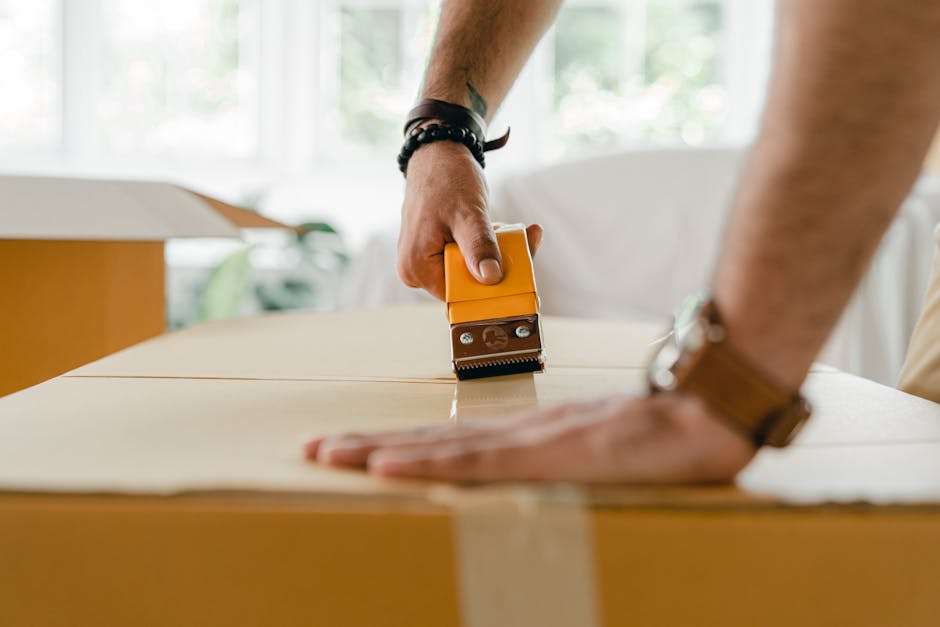
| Wide packing tape | Secures box bases and tops | All packing stages |
| Marker pens and labels | Makes unloading faster and clearer | Room coding and priority notes |
| Furniture covers or blankets | Protects surfaces during movement | Sofas, tables, wardrobes |
| Zip bags for fittings | Keeps screws and brackets together | Flat-pack furniture and dismantled pieces |
For service-side support, the most useful pages to review are services overview, man with a van in Barking, and removal van options in Barking. These are especially helpful if you are deciding how much help you need, rather than doing everything solo.
If you want to reduce avoidable waste, you can also look at recycling and sustainability. Reusing good boxes, donating what you no longer need, and avoiding unnecessary packing materials is not only practical, it's just a decent way to move.
Law, Compliance, Standards, or Best Practice
Packing itself is not heavily regulated in the way some specialist transport activities are, but there are still sensible standards and best practices worth following. In the UK, moving companies and customers alike should prioritise safe handling, proper load distribution, and clear communication about fragile or hazardous items. That is especially relevant when items are being lifted through common areas, stairs, or tight entry points.
From a practical perspective, the best approach is to pack in a way that reduces risk to people and property. That means not exceeding what a box can safely carry, not mixing hazardous household items carelessly, and not asking someone to lift something that clearly needs two people. Common household chemicals, sharp objects, and large glass items should be handled with care and packed separately where appropriate.
If a removal company is involved, it's sensible to check that they have appropriate safety and insurance information available. A trustworthy provider will be open about this. You can review the relevant guidance on health and safety policy and insurance and safety. Also useful, if you want to understand how providers handle customer trust and transactions, is payment and security.
Best practice is not about being fussy. It's about avoiding the small mistakes that turn into delays or damage. That's really the theme of the whole guide.
Options, Methods, or Comparison Table
There's no single packing style that works for every Gascoigne Estate move. The best method depends on your timeline, the amount you own, and how much assistance you have. Here's a simple comparison to make the decision easier.
| Method | Best For | Pros | Trade-Offs |
|---|---|---|---|
| DIY full packing | Smaller homes, tight budgets, flexible timelines | Lowest direct cost, full control | Time-heavy, easy to become disorganised |
| Hybrid packing | Busy households, mixed item types, partial support needed | Balances effort and convenience | Requires clear planning and communication |
| Professional packing support | Large homes, fragile items, tight schedules, difficult access | Fast, structured, less physical strain | Higher upfront cost |
| Storage-led packing | Moves with gaps, renovations, delayed completion | Good for staged relocation | Needs stronger labelling and item tracking |
If you're unsure which route suits you, that's normal. A lot depends on how much time you have left before move day, what your access is like, and whether you have bulky furniture. A quick read of flat removals in Barking or house removals in Barking can help you match the service to the scale of the move.
Case Study or Real-World Example
Here's a realistic example based on the kind of move people often make from Gascoigne Estate.
A couple in a two-bedroom flat had a Friday afternoon move. They had a sofa, a bed frame, one large wardrobe, kitchenware, a console setup, and a child's room full of small toys and books. At first, they planned to pack everything the night before. Classic move. After a quick reality check, they split the work into three evenings instead:
- Evening one: decluttering and non-essential clothes
- Evening two: books, decor, and spare kitchen items
- Evening three: everyday essentials, bedding, and the first-night box
They also photographed cable setups, taped screws to the correct furniture, and labelled every box with room plus priority. The result was simple: loading was quicker, the van was easier to organise, and unpacking started with the things they actually needed. No digging through mystery cartons to find the kettle. Which, honestly, is a small victory but a very real one.
They also used advice from stress-free moving guidance and pre-moveout cleaning tips to finish stronger at the old property. A clean handover can take a lot of pressure off the final hour.
Practical Checklist
Use this checklist as your final pre-move review. It's not glamorous, but it works.
- Sort each room into keep, donate, recycle, store, and move
- Gather boxes, tape, labels, wrap, and markers early
- Pack non-essentials first
- Use small boxes for heavy items
- Wrap fragile items individually
- Fill box gaps so contents do not shift
- Label every box with room and contents
- Mark priority boxes clearly
- Keep documents, keys, medication, chargers, and toiletries separate
- Photograph cable and furniture setups before dismantling
- Prepare food, water, and cleaning items for the first night
- Confirm parking, access, and loading timing
- Review safety and insurance details if using a removals provider
- Check that nothing essential is accidentally packed away
A useful habit is to create one "do not pack" zone in the home. Put last-minute items there. It sounds basic, but it keeps everyone on the same page when the room starts filling with boxes.
Conclusion
The best packing plans are calm, clear, and a little bit forgiving. Things may still run late. A roll of tape might disappear. Someone will probably ask where the charger is. But if you pack with a system, you remove most of the stress before it has a chance to build.
For Gascoigne Estate moves in Barking, that usually means packing by priority, keeping weight under control, protecting fragile items properly, and thinking ahead about loading and unloading. It also means using the right support when the move is bigger than you want to handle alone.
If you're planning your next step, compare your packing workload with the type of move you're facing, then look at the relevant support pages and guidance. The right decision now can save a lot of noise, chaos, and sore shoulders later. And that counts for a lot, really.
Get a free quote today and see how much you can save.
Careful packing turns moving day from a scramble into a process, and that is worth aiming for.
![A person is holding a large cardboard box labeled 'KITCHEN' with a black marker, preparing it for packed items as part of a home relocation process. The individual is inside a room with several similarly sized cardboard boxes, some open and some closed, indicating the stages of packing kitchenware and utensils. The cardboard boxes are stacked on the floor, and the person’s right hand is writing the label while their left hand steadies the box. The scene shows a well-lit environment, likely a room in a house or flat, with the focus on the packaging process for moving. This image exemplifies the packing and moving preparation undertaken by [COMPANY_NAME], such as Man with Van Barking, during a house removal or furniture transport, emphasizing the importance of organized packing in residential relocations.](/pub/blogphoto/packing-guide-for-gascoigne-estate-moves-in-barking3.jpg)


